
TroublePad Ultra: A versatile and affordable high-speed camera for industrial and scientific applications
High-speed camera for multi-sector applications
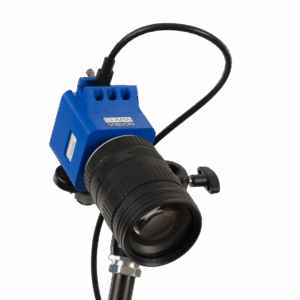
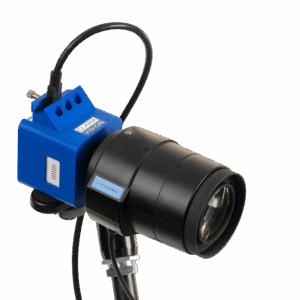
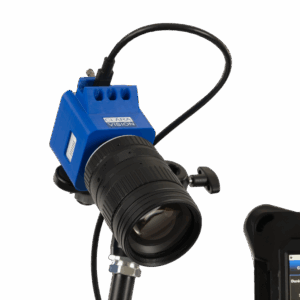
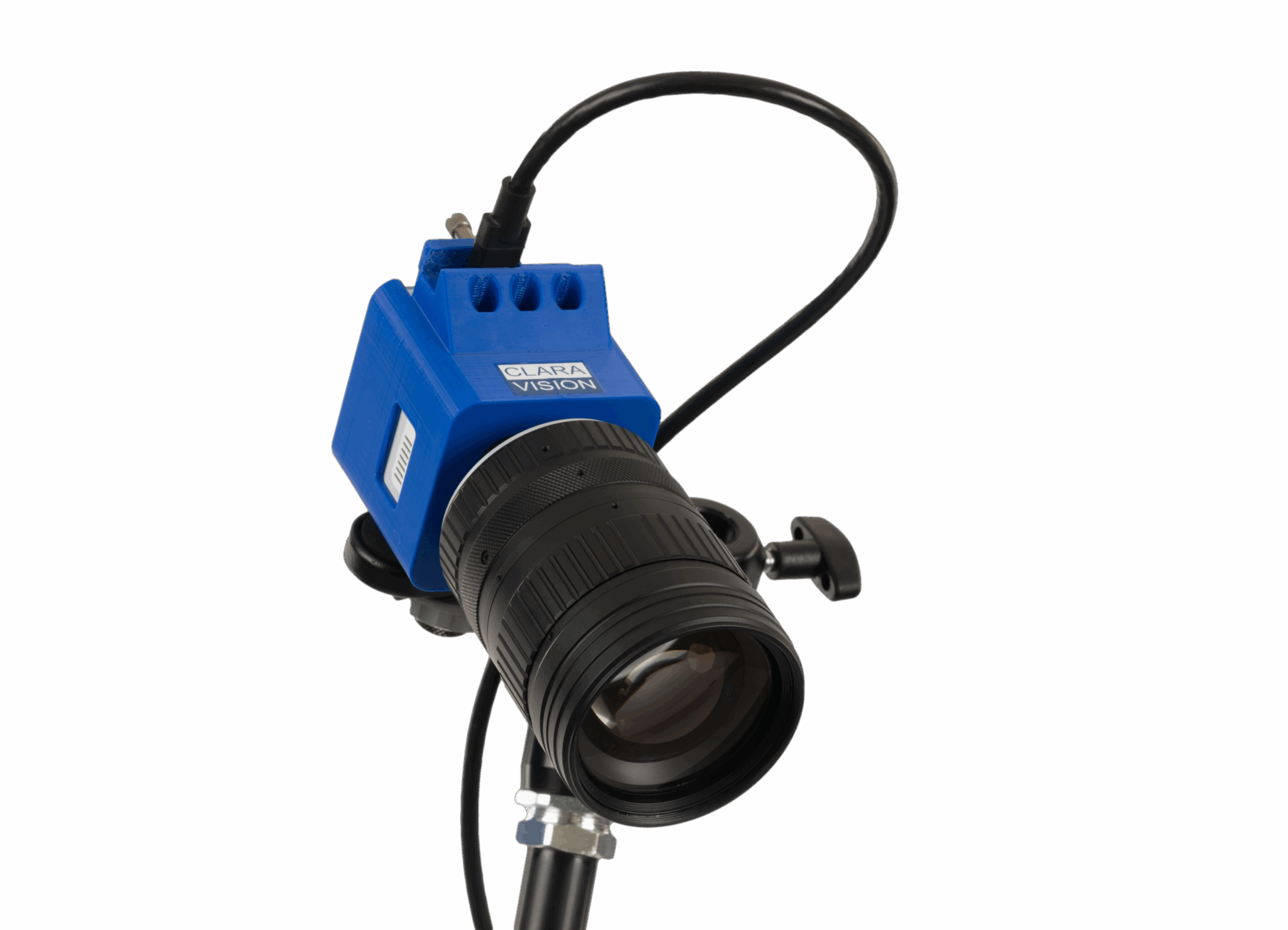
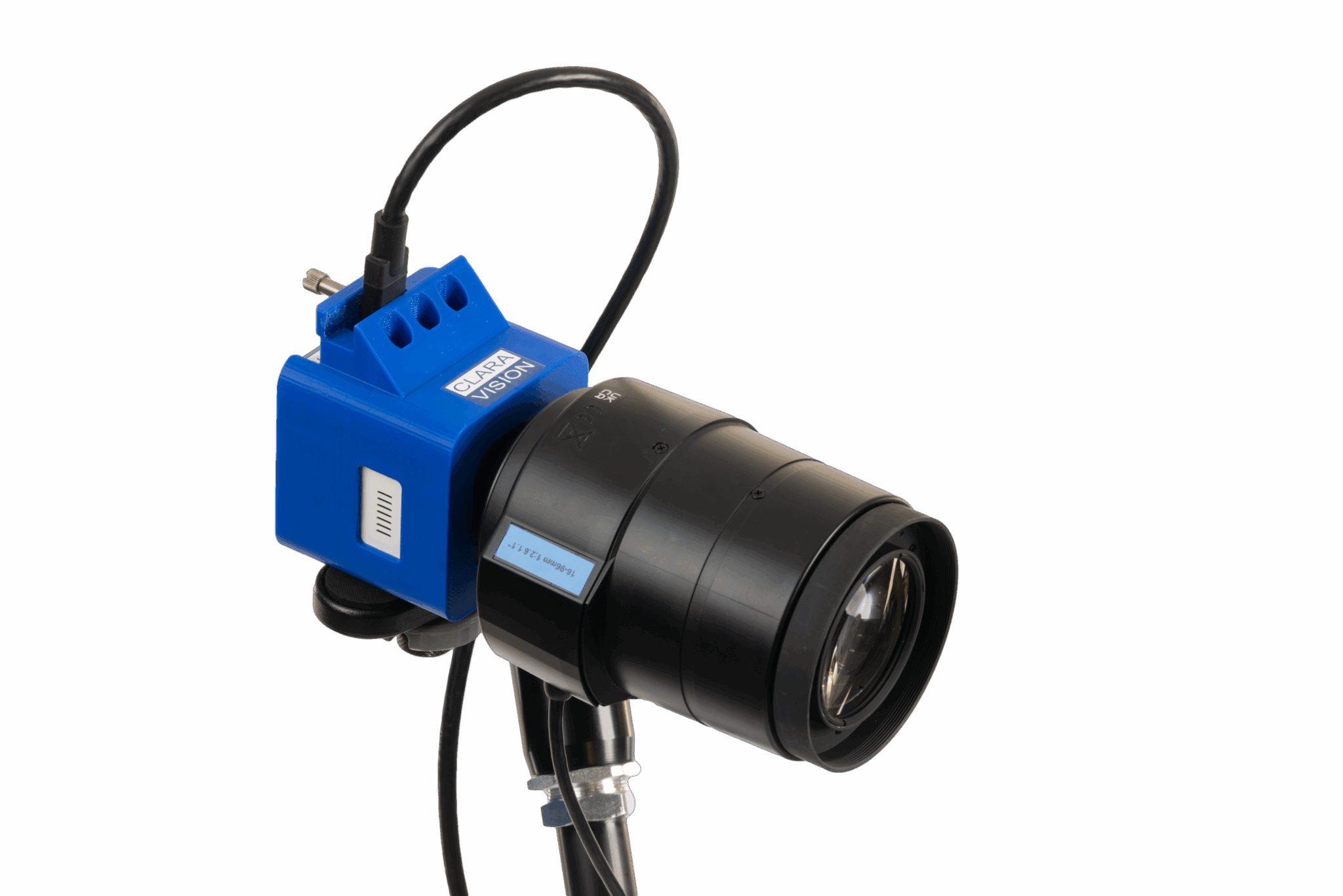
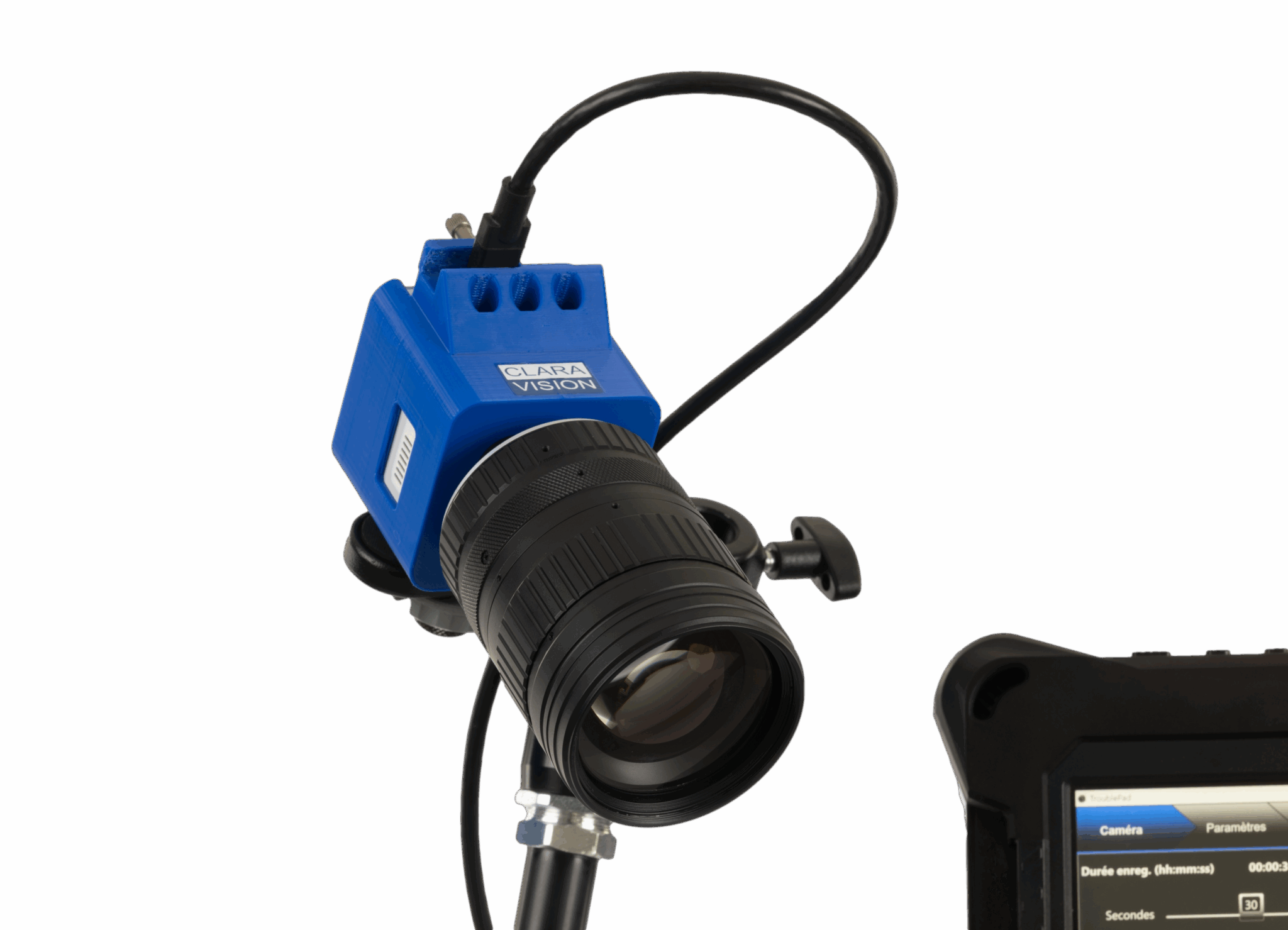
TroublePad Ultra is a high-speed camera system suitable for use across a wide range of industries.
Easy to use, intuitive and affordable, the TroublePad Ultra is a portable high-speed camera designed for use by engineers and scientists across a wide range of applications, including production line diagnostics, drop tests, fluid dynamics and microfluidics.
The TroublePad Ultra high-speed camera is so easy to use that you’ll be able to access slow-motion footage of your applications after just a few minutes of practice!
About TroublePad Ultra high-speed camera for industry and science
The ultimate in scientific and industrial high-speed cameras
TroublePad Ultra is the most advanced high-resolution high-speed camera in our TroublePad range of high-speed cameras. Designed for the analysis of ultra-fast events, it is aimed at both industrial users and researchers who require a reliable, portable, affordable and high-performance solution for capturing images at very high frame rates and in high resolution.Comparison table: TroublePad High-Speed Camera vs TroublePad Ultra High-Speed Camera
| TroublePad high-speed camera | TroublePad Ultra high-speed camera | |
|---|---|---|
| Speed at maximum resolution ± 1200 × 1000 | 205 fps | 1000 fps |
| Speed at a resolution of ± 640×480 | 800 fps | 2000 fps |
| Sensor | Colour | Monochrome |
| Sensitivity | + | ++++ |
| Connectivity | USB 3.0 | USB 3.0 |
| Ease of use | ++++ | ++++ |
| Applications | Production lines High-speed production lines | Production lines Very high-speed production lines, particularly bottling lines Scientific research Drop tests Microfluidics Optical microscopy ... |
| Price | + | +++ |
See the TroublePad high-speed camera
Why a monochrome camera?
The TroublePad Ultra is equipped with a monochrome sensor, a deliberate technical choice designed to maximise light sensitivity, resolution and capture speed, and consequently the quality of the high-speed images captured.- Sharper images: each pixel captures all the light, without a colour filter
- Better low-light performance and a higher frame rate
- Ideal for dynamic analysis, anomaly detection and ultra-high-speed image capture.
Easy to install and ready to use straight away
The TroublePad Ultra high-speed camera has been specifically designed to be easy to use straight away, even for non-specialist users. Its ultra-compact and portable design means it can be set up in a matter of seconds. Unlike most high-speed cameras on the market, which are often complicated to set up, the TroublePad Ultra high-resolution high-speed camera is ready to use as soon as it is set up. The TroublePad Ultra high-speed camera system stands out thanks to its software, which is integrated into a touchscreen tablet and features a clear and intuitive user interface. All essential functions (recording, playback, clip extraction, video export, event marking) are accessible at your fingertips, without the need for extensive training. The TroublePad Ultra high-speed camera offers advanced features (loop recording, sensor triggering, keyframe marking, instant slow-motion playback, etc.) whilst maintaining a user-friendly design focused on operational efficiency. Configurable loop recording allows you to retain only key moments, making it easier to analyse faults and optimise processes. The optional trigger unit automates event capture without human intervention, making the tool even more accessible and efficient.Applications of the TroublePad Ultra high-speed camera
The TroublePad Ultra high-speed camera can be used in a wide range of sectors, from industry to science. The TroublePad Ultra high-resolution high-speed camera has numerous applications in the industrial sector, including, for example:- Optimise production, improve quality and predict failures.
- Production line diagnostics
- Monitoring and optimisation of production lines
- Detection of anomalies and defects
- Optimising maintenance and reducing downtime
- Prototype validation, inspection of rapid mechanical movements
- Drop tests
- ……
- Improvements in quality and traceability
- Reduction in production costs and waste
- Reduction in machine downtime
- Understanding faults in high-speed machines
- Optimisation of equipment settings and performance
- Improving operator safety
- Biomechanical analysis and the analysis of rapid mechanical movements
- In fluid dynamics
- In microfluidics
- In optical microscopy
- The study of the dynamic properties of materials during strength, deformation or impact tests.
- Study of the dynamics of droplets, fluid jets, or bubble formation in liquids
- Etc.
Recording

Loop recording
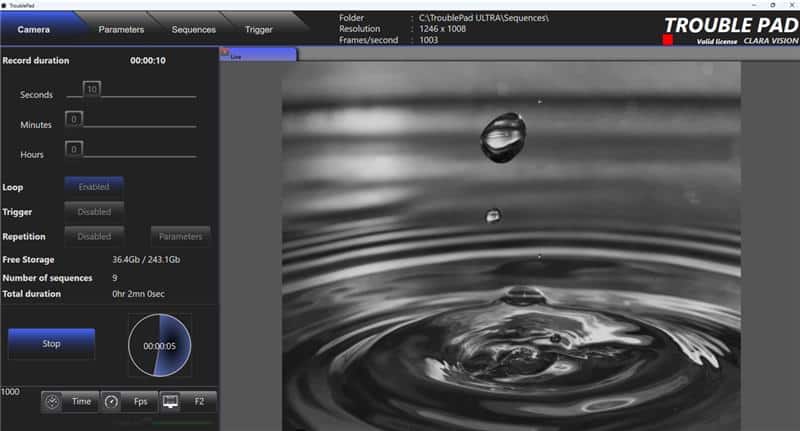
- The control software for the TroublePad Ultra high-speed camera is unrivalled in its simplicity.
- It is the operational heart of the rapid video station.
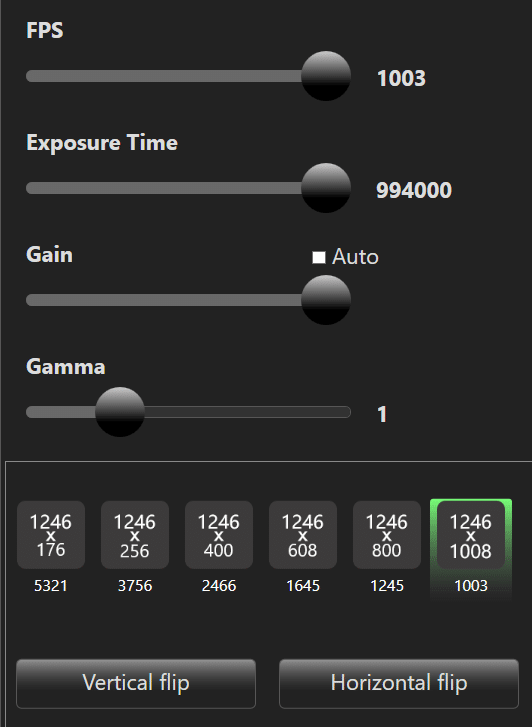
Adjusting the recording speed
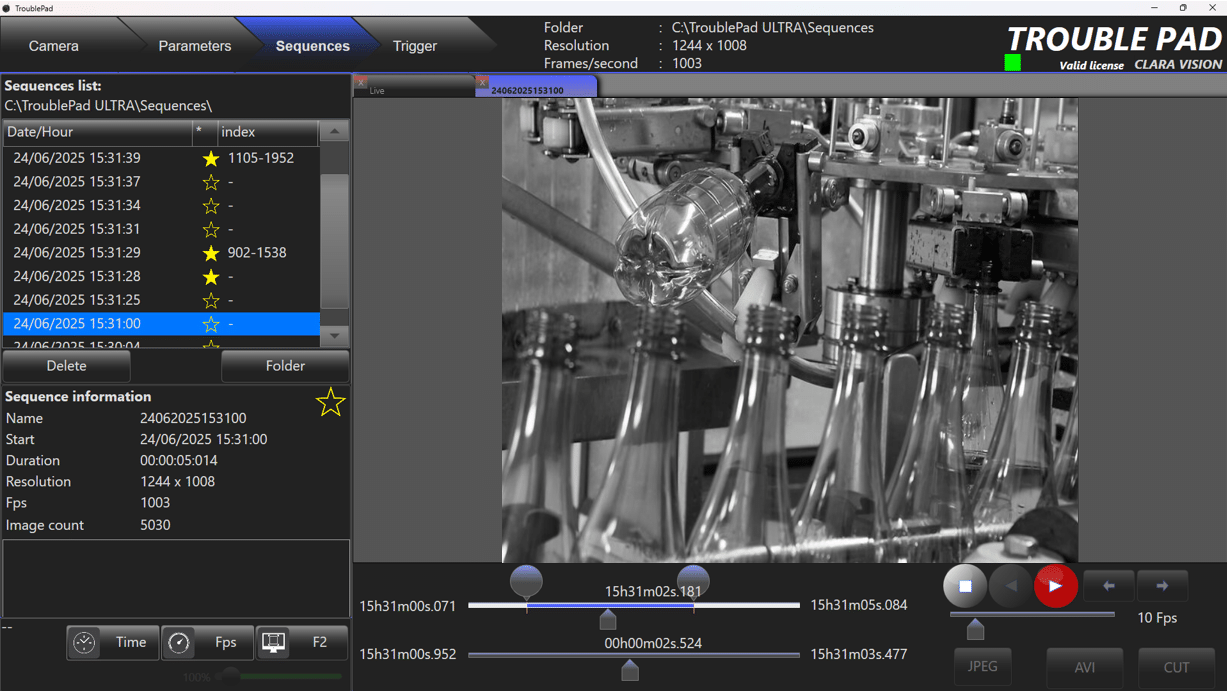
Playback/Editing
Replay and slow-motion playback of fast-paced videos
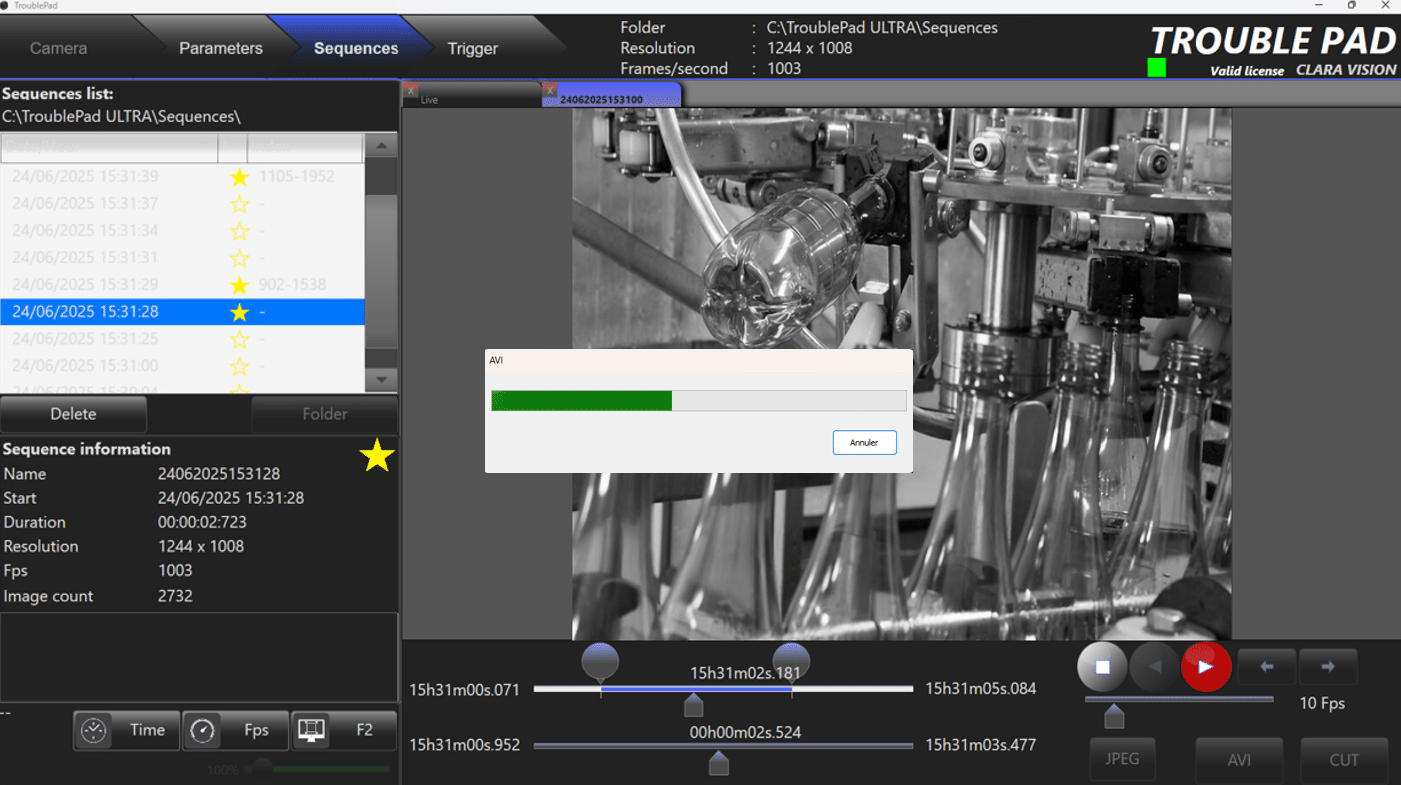
Splitting clips / Creating an AVI file
Control
System control via external trigger
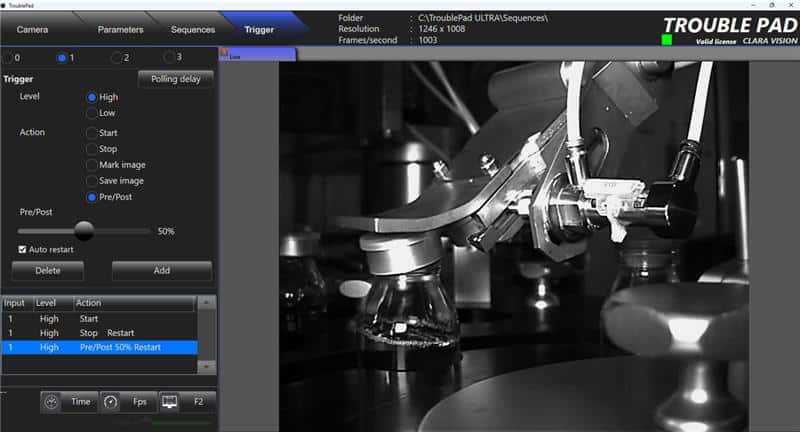
- Start recording
- Stop recording
- Mark keyframes
- To record a few seconds before and after the signal from your sensors... (pre/post-triggering)
Specifications
TroublePad high-speed camera: video demonstrations
- Introduction to the TroublePad high-speed camera system

- Our high-speed camera films the process of placing lids on yoghurt pots
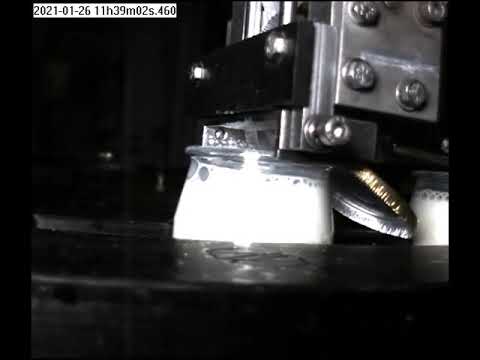
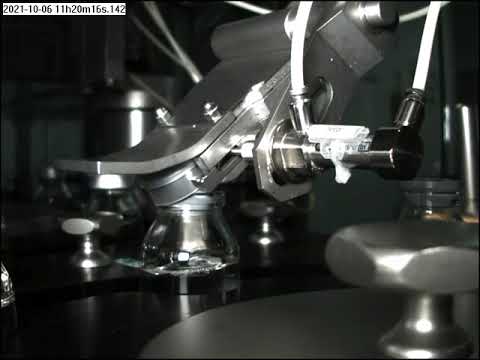
- Viewing a press setup for label application using a high-speed Trouble PAD camera
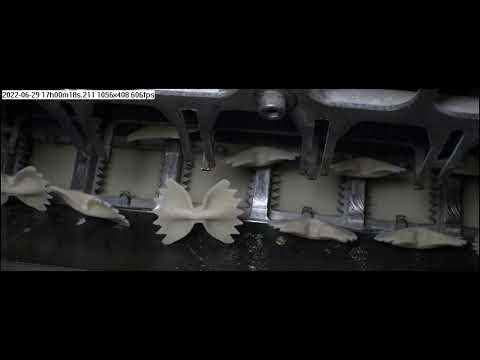
- Pasta production slowdown with the Trouble Pad
Application notes







Application note Sheet cutting line
Industry | Application | Product |
|---|---|---|
Stationery | Sheet cutting line | TroublePad |
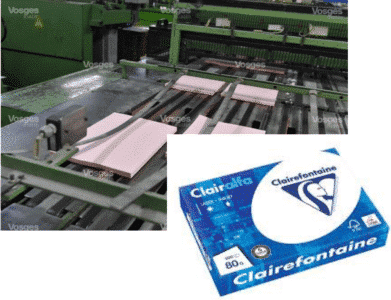
First, a specialised machine arranges and trims large sheets of paper stacked in bundles of 500. This enables the paper to be bundled into reams ready for packaging. These sheet-arranging and finishing operations require the machines to be perfectly calibrated and all components to be in good working order. The Trouble Pad high-speed camera allows operators to view key moments during stacking and cutting operations. Maintenance technicians have access to slow-motion footage of machine movements. They can pinpoint the fault and quickly adjust settings to correct parameters or intervene to replace components. Slow motion becomes a valuable tool in identifying issues that are impossible to see with the naked eye! Conclusion: Clairefontaine Paper Mills and the Hamelin Group are able to access information that is invisible to the naked eye, and thanks to slow-motion footage, machine calibration and maintenance operations are made easier. Clairefontaine Paper Mills and the Hamelin Group have been using Trouble Pad at their production sites since 2018. | ||

Application note Vaccine/medicine production line
Industry | Application | Product |
|---|---|---|
Pharmaceutical Industry | Vaccine/medicine production line | TroublePad |
Conclusion: | ||

Application note Packaging line
Industry | Application | Product |
|---|---|---|
Special-purpose machines | Packaging line | TroublePad |
To ensure that packaging machines being assembled or manufactured operate correctly, numerous adjustments are required. Operators are faced with very rapid movements that are impossible to analyse with the naked eye. The Trouble Pad high-speed camera allows these movements to be broken down. Technicians can then pinpoint exactly what improvements need to be made using the slow-motion footage. The machines can then be set up quickly and dispatched for on-site installation as soon as possible. What’s more, field technicians can take the kit with them to the customer’s premises to save time when carrying out certain delicate adjustments. Slow-motion video footage helps them save valuable time whilst on the move. Conclusion: Thanks to the Trouble Pad high-speed camera, set-up and adjustment times have been reduced. | ||

Application note Manufacture of components
Industry | Application | Product |
|---|---|---|
Electricity | Manufacture of components | TroublePad |
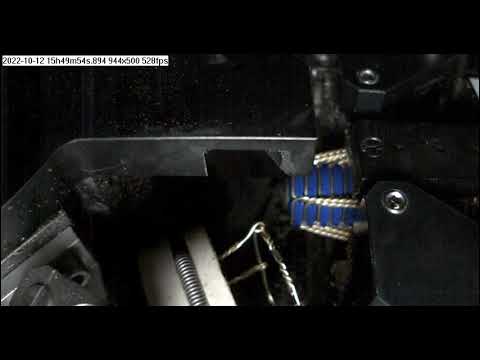
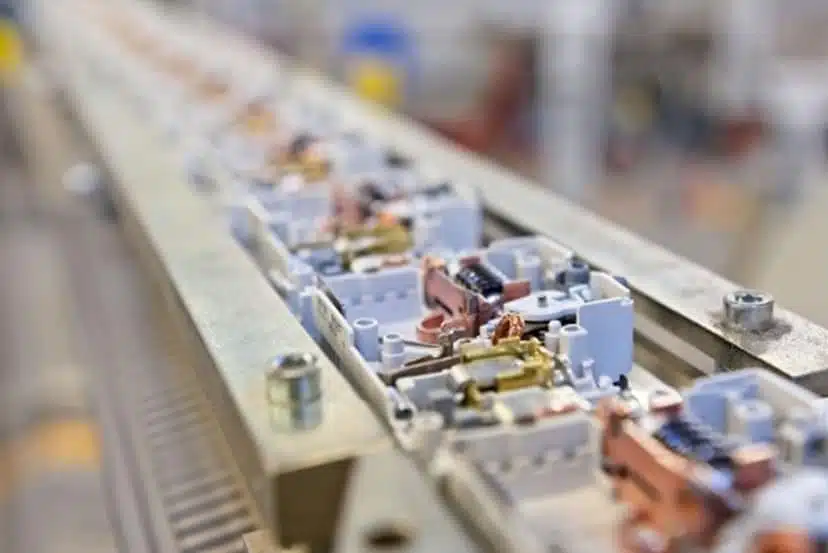
To ensure production quality, technicians must ensure that the production line is not disrupted by sudden movements. Such movements can occur at random. Furthermore, there are numerous product specifications, which require precise machine adjustments with every change in production. The Trouble Pad high-speed camera makes it possible to visualise these movements, which are invisible to the naked eye. Maintenance technicians have access to slow-motion footage of moving mechanical parts. They can pinpoint the fault and take action on specific areas of the machine. The source of these issues can then be identified and the quality improved. Slow motion is now easily accessible; setting up the Trouble high-speed camera takes just a few minutes! Conclusion: Thanks to the Trouble Pad high-speed camera, motion detection enables technicians to rectify faults quickly, thereby minimising downtime. | ||

Application note Plastic Bottling
Industry | Application | Product |
|---|---|---|
Food and drink | Plastic Bottling | TroublePad |
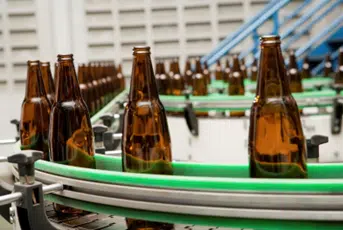
To maintain production rates, the machines must be perfectly calibrated (production rates of around 50–70,000 bottles per hour). Numerous parameters come into play: new cap design, empty bottle weight, dimensional variations. Random ‘malfunctions’ may occur in the machine cycle, causing production to halt. The Trouble Pad high-speed video camera allows these misalignments, which are invisible to the naked eye, to be viewed. Slow-motion footage helps maintenance technicians by providing access to slow-motion sequences of moving mechanical parts. They can pinpoint the fault precisely using the Trouble Pad high-speed camera. Furthermore, there may also be a safety risk for staff working with these high-speed machines. The machine can then be recalibrated quickly and safely. The Trouble Pad high-speed camera is a valuable aid. Slow motion is available in just a few minutes! Conclusion: Trouble Pad will help reduce production downtime and thereby improve production line productivity. | ||


Application note Traffic jam
Industry | Application | Product |
|---|---|---|
Food and drink industry | Traffic jam | TroublePad |
To maintain production rates, the machines must be perfectly calibrated. A number of factors come into play: the type and thickness of the capsule, surface finish and dimensional variations. Occasionally, a misalignment may occur in the machine cycle, causing production to halt. Trouble Pad’s high-speed video feature allows these misalignments – invisible to the naked eye – to be viewed. Maintenance technicians can access slow-motion footage of moving mechanical parts. They can pinpoint the fault precisely thanks to the slow-motion footage. The machine can then be recalibrated quickly. Conclusion: Thanks to the Trouble Pad’s slow-motion capability, production downtime has been reduced. | ||

Application note Paper production line
Industry | Application | Product |
|---|---|---|
Hygiene | Paper production line | TroublePad |
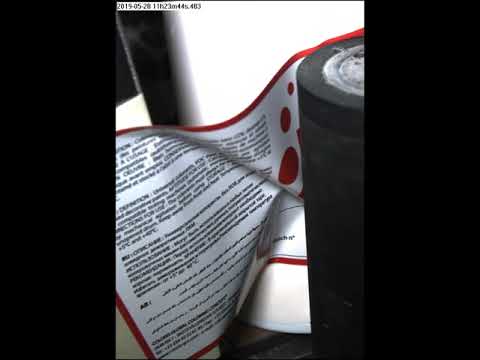
To ensure production runs smoothly, a machine is used to cut the paper towels into precise lengths. Technicians must ensure that the ‘rotary machines’ are optimally adjusted so as not to disrupt the transport of the cut sheets. The Trouble Pad high-speed camera allows the sheet pressed against a rotating cylinder to be viewed on the tablet screen. The ultra-high-speed rotation of successive cylinders can cause the web to fold in on itself. This folding is generally the cause of quality defects in the finished product. Similarly, when manufacturing absorbent paper or tissues, the machines operate at very high speeds and require extremely precise adjustments. These movements are invisible to the naked eye. Maintenance technicians can view slow-motion footage of moving mechanical parts using video captured with the Trouble PAD high-speed camera. By positioning the Trouble PAD camera, they can pinpoint faults in areas of the machine that are inaccessible to a person. Setting up the camera takes just a few minutes! The source of these disruptions can then be identified and quality improved. Conclusion: Thanks to Trouble Pad and its compact size, the motion detection system enables technicians to visualise the position of the paper web. As a result, defects (such as creases) are detected at an early stage, thereby preventing quality issues in the finished product. ONTEX has been using Trouble Pad since 2018 at its production sites in France and Spain. Essity’s sites in Gien, Kunheim and Mannheim are equipped… as is Kimberly-Clark’s site in Rouen. | ||


Testimonials

Christopher MALLERON-FONTAINE - Responsable maintenance - Isigny Ste Mère - France
As part of our maintenance work on packaging machines, we used GoPro-style cameras.
Having recognised the technical limitations of this type of camera, we turned to a professional model: the Troublepad camera from Claravision.
This model is highly effective in its field; we have achieved results never seen before.
On certain machines, where movements are very fast, we were able to detect defects that are invisible to the naked eye. Thanks to the software’s slow-motion function, we were able to eliminate these defects very quickly.
Furthermore, thanks to its trigger control and loop mode, we were able to set the Troublepad camera to continuous monitoring (3 days, 24 hours a day) and automatically retrieve only those clips in which the fault we were looking for was present.
The software is user-friendly and intuitive: after just one hour’s training, our technicians are able to use it.
Claravision’s technical support team is very responsive whenever we need advice or help with using the system.
The Troublepad camera has become an integral part of our maintenance department’s diagnostic toolkit, and we encourage technicians to use it as much as possible.

Jay - HP Inc. - USA
The TroublePad has really improved our ability to identify manufacturing defects during the production of HP ink cartridges.
Our previous cameras were bulky, as was the lighting – we sometimes struggled to get the right angle when dealing with moving parts inside the machines or behind protective covers.
With the TroublePad, we can easily position the camera and lights inside the rig. The software is excellent – the ability to loop the camera using various trigger options gives us a great deal of flexibility.
Perhaps the best thing about it is its high level of autonomy. With older high-speed camera setups, the software was installed on the technicians’ personal laptops, and they had to manage drivers, Windows settings, and so on.
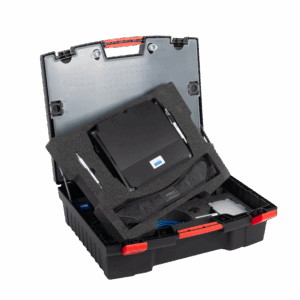
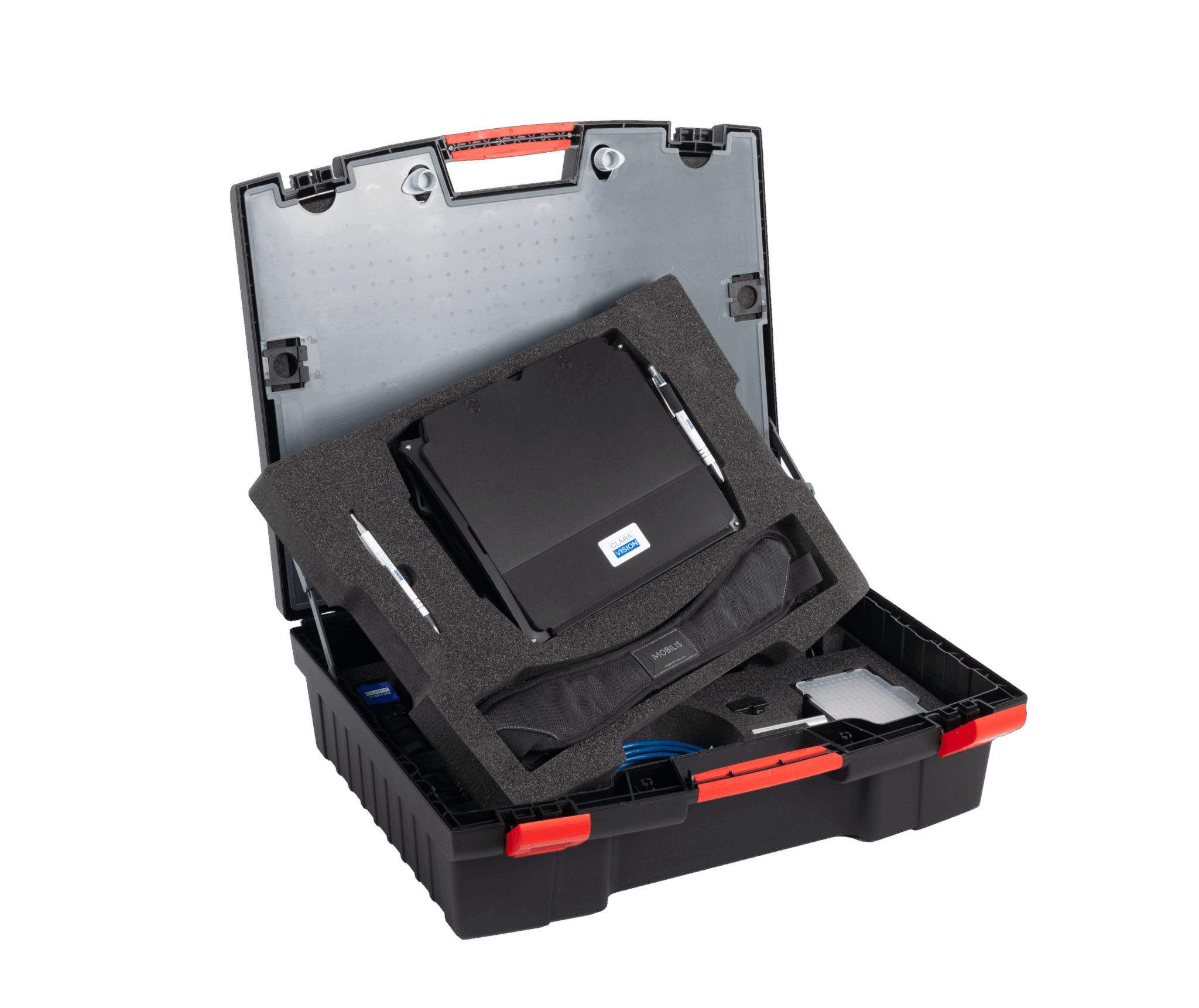
With the TroublePad, anyone can just pick up the case and find everything they need inside.